
Why Construction's Biggest Supply Chain Risk Isn't Availability, It's Timing
For years, supply chain discussions in construction have focused on material shortages, pricing volatility, labor constraints, and supplier availability.
Those challenges remain important. But increasingly, the projects that struggle are not always the ones facing the most disruption.
They're the projects where critical procurement decisions happen too late.
Across the industry, contractors are finding that delivery certainty is becoming less about what they buy and more about when procurement becomes involved in project planning. The earlier procurement, supply chain, and operations teams work together, the more opportunities they have to identify risk before it becomes a schedule problem.
The Cost of Late Procurement
Construction projects are becoming increasingly dependent on long-lead equipment, specialist materials, and complex supplier networks.
The challenge is that project teams often commit to schedules before material availability has been properly validated. Procurement teams are then asked to deliver against timelines that were established without full visibility into supplier constraints, manufacturing capacity, logistics challenges, or sourcing risks.
By the time procurement becomes involved, options are limited. What began as a planning issue quickly becomes a delivery issue.
The result can be familiar:
- Schedule slippage
- Expedited shipping costs
- Last-minute supplier changes
- Margin erosion
- Increased project risk
In many cases, the procurement decision itself wasn't wrong. It simply happened too late.
Now Procurement Is Becoming a Delivery Function
Historically, procurement was often viewed as a downstream activity. A project would be designed, scheduled, and awarded before procurement teams became heavily involved.
That model is becoming increasingly difficult to sustain.
Construction supply chains are more complex than they were a decade ago. Lead times have lengthened, supplier markets have consolidated, geopolitical disruption has increased, and owners are demanding greater visibility into delivery performance.
As a result, procurement is evolving from a purchasing function into a delivery-enablement function.
Leading contractors are increasingly involving procurement teams during preconstruction, planning, and design development rather than waiting until purchasing activities begin. This gives teams greater visibility into capacity constraints, supplier risks, and critical material dependencies before they impact project execution.
Why Alignment Matters More Than Ever
The most effective supply chains are rarely the ones with the largest budgets or the biggest supplier networks.
They are the ones where procurement, operations, scheduling, and project teams are working from the same assumptions. When those functions operate independently, risk increases.
Schedules can be developed without procurement visibility. Procurement strategies can be established without delivery context. Supplier relationships can be managed without understanding how project decisions are changing downstream.
None of these decisions happen in isolation. Project delivery depends on coordination across the entire supply chain.
That is why many organizations are now focusing on improving cross-functional alignment rather than simply adding more procurement resources. The goal isn’t better procurement, it’s better delivery.
The Industry Is Still Building the Playbook
Despite growing investment in procurement and supply chain capabilities, many contractors are still determining the right operating model.
Supply chain functions are expanding, leadership attention is increasing, technology investment is accelerating. Yet there remains no universally accepted approach for connecting procurement, scheduling, logistics, and delivery into a unified process.
That’s creating growing demand for practical examples and peer learning.
Construction leaders want to know what is actually working on live projects: How are others securing capacity earlier? How are they improving forecasting? How are they integrating procurement into project planning?
These are increasingly the questions shaping the industry's supply chain conversations.
Looking Ahead
The construction industry doesn’t just have a material availability problem alone, it has a timing problem.
The organizations that bring procurement and supply chain teams into decisions earlier will the ones best positioned to reduce delivery risk, protect margins, strengthen supplier relationships, and improve project certainty.
While those that continue to treat procurement as a downstream function might find they’re solving problems that could have been prevented months earlier.
This is one of the reasons discussions around delivery certainty, supply chain coordination, and procurement integration are becoming increasingly important across the industry, and why forums like Advancing Construction Supply Chain & Procurement 2027 have placed these topics at the center of the conversation.
Next Steps
If you want to be in a room with the likes of Kiewit’s VP of Procurement, Gilbane’s VP of Purchasing, Bond Brother’s VP of Precon, and more as they find solutions to challenges just like the ones discussed in this article, then you need to make sure you’re there in Dallas on January 26-28.
For more information, you can check out the Full Event Guide or see the speakers and agenda on this website.
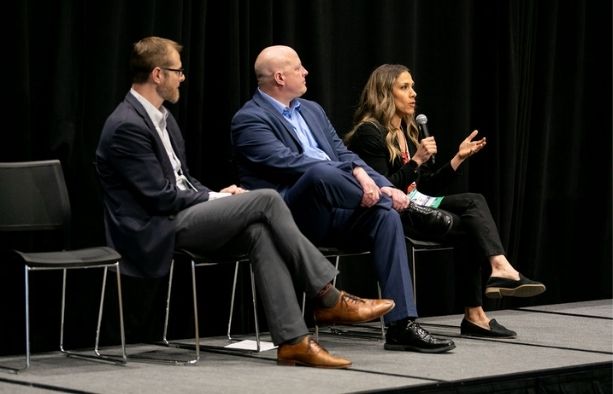
Explore the Agenda
Hear the latest industry breakthroughs and gain exclusive insights during our packed agenda, interactive audience breakouts, and our client-only panel discussion.
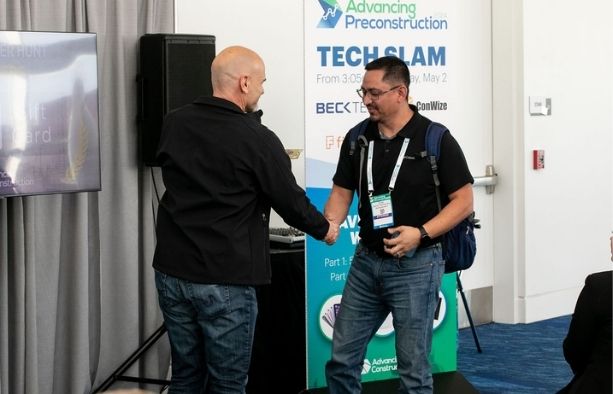
Partner With Us
Position yourself alongside leading supply chain & procurement solution providers to ensure your brand is at the heart of critical construction decisions.
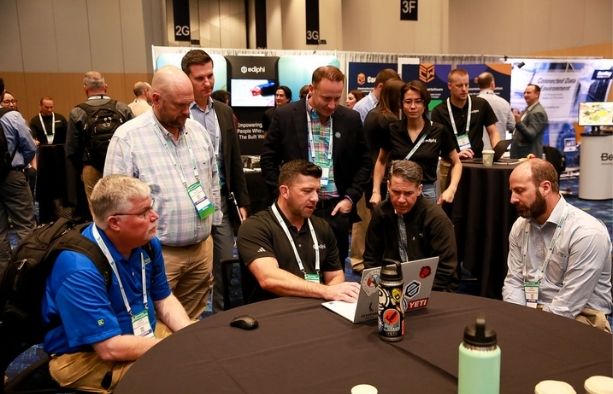
Join Procurement Experts
Be part of the hottest conversations with like-minded attendees and make critical connections during our dedicated networking sessions.